When Electronic Evidence Determines Liability: Using Event Data Recorders, Dashcam Footage, Cell Phone Records, and Telematics in Nashville Car Accident Cases
Two drivers involved in a car accident in Nashville will remember the collision in completely different ways. One says the light was green. The other says it was red. One claims to have braked immediately; the other says no braking occurred.
In cases like these, the most important witness may be the vehicle itself. Event data recorders, dashcams, cell phone records, and telematics can preserve the speed, braking, movement, location, or device activity that occurred in the seconds surrounding impact.
A Nashville, TN personal injury attorney can use those records to test competing accounts and determine whether the electronic evidence supports negligence, comparative fault, or a complete defense. The following situations show when digital evidence can become the deciding proof in a Nashville car accident case.
When Both Drivers Claim They Had the Green Light
An intersection accident case can become difficult when both drivers insist they had the right-of-way and no independent witness saw the signal.
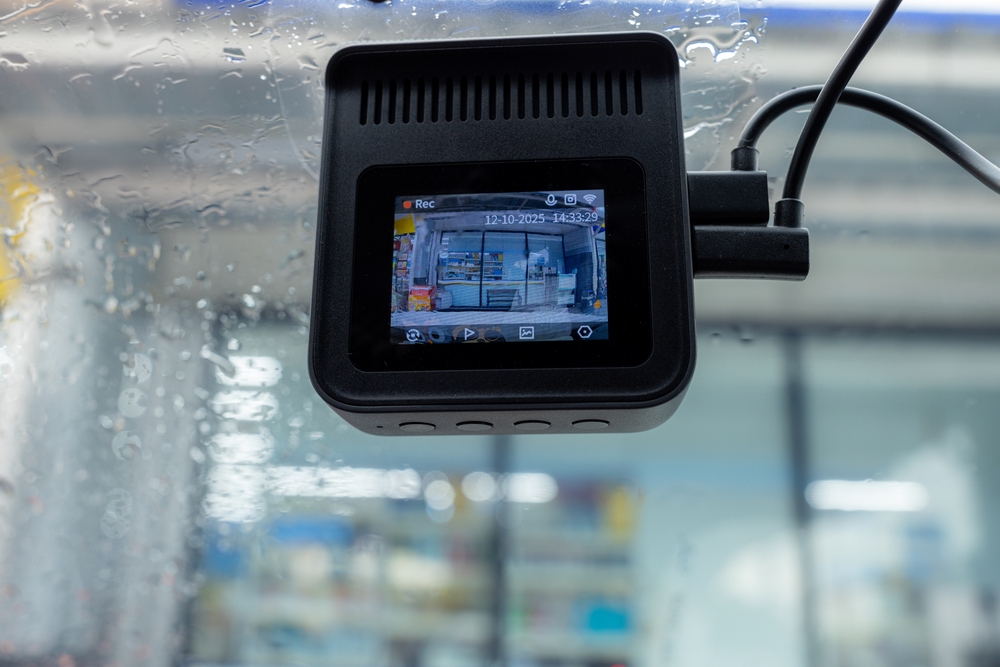
Dashcam footage may show the signal itself, vehicle movement, or the sequence in which traffic entered the intersection. Nearby business or residential surveillance may capture the approach even when it does not show the light directly. EDR information can establish speed and braking immediately before impact, while video timestamps can help reconstruct the vehicles’ relative movements.
The analysis should determine:
- Which vehicle entered the intersection first
- Whether either driver accelerated into the intersection
- When braking began
- Whether one vehicle had enough time to perceive the other
- Whether video and physical damage support one account over the other
When the Defendant Says the Plaintiff “Came Out of Nowhere”
“Came out of nowhere” is not a measurement of reaction time.
Tennessee Code § 55-8-136 requires drivers to maintain a safe lookout, keep the vehicle under proper control, operate at a safe speed, and devote full attention to driving under existing circumstances. Electronic evidence can determine whether the claimed emergency was actually sudden.
A dashcam may show when the plaintiff first became visible. EDR data may show whether the defendant reduced speed or applied the service brake. Telematics can establish the vehicle’s approach speed before the short EDR recording window.
The critical question is not whether the defendant eventually reacted. It is when a reasonably attentive driver should have perceived the danger and what opportunity remained to avoid the collision.
When Speed Is the Main Liability Dispute
Speed allegations should be proved with more than estimates made after the crash.
For vehicles covered by 49 C.F.R. Part 563, an equipped EDR records specified crash information. Current § 563.7 includes indicated vehicle speed, accelerator position, and service-brake status during the pre-crash recording interval.
That information becomes important when:
- A driver claims to have been traveling at the posted limit
- Witnesses give substantially different speed estimates
- Excessive speed affected available stopping distance
- The defendant argues that the plaintiff’s speed caused or contributed to impact
- Telematics shows a sustained speed pattern before the crash
EDR data has limits and should be interpreted according to the particular vehicle and system. It can nevertheless provide a far stronger starting point than an unsupported recollection of speed.
The federal Driver Privacy Act of 2015 also matters when seeking another vehicle’s EDR. The statute generally treats the recorded data as the property of the owner or lessee and restricts retrieval unless an enumerated basis, such as owner consent or judicial authorization, applies.
When a Driver Claims to Have Braked Before Impact
A driver’s statement that “I slammed on the brakes” can be tested.
Where the applicable EDR records service-brake status, accelerator position, and vehicle speed, counsel can examine the sequence immediately before impact. If the defendant claims immediate emergency braking but the recorded brake input begins only near impact, the timing can become central to lookout and reaction-time arguments.
The same information can work in the plaintiff’s favor when comparative fault is alleged. Recorded braking may show that the plaintiff reacted promptly after the defendant entered the lane or intersection.
A car injury lawyer in Nashville should compare EDR information with skid evidence, vehicle damage, dashcam footage, and reconstruction calculations rather than interpreting a single electronic value in isolation.
When Distracted Driving Is Suspected but Nobody Saw the Phone
A phone found inside the vehicle does not establish distraction. The evidence must connect device activity to the relevant seconds before the collision.
Tennessee Code § 55-8-199 restricts specified uses of wireless telecommunications devices while driving, including physically holding or supporting covered devices subject to statutory exceptions.
Depending on the dispute, relevant records may include:
- Call initiation and termination times
- Text-message timestamps
- Device activity
- Photographs or videos created near the collision
- Bluetooth or infotainment connections
- Application-use information available from the device
The request should be tied to the crash period. Seeking months of unrelated private information may add little to the liability inquiry when the disputed question concerns several minutes.
Obtaining message content also presents different federal issues from obtaining ordinary transactional records. 18 U.S.C. § 2702, part of the Stored Communications Act, restricts when electronic service providers may disclose stored communication contents. A Tennessee personal injury lawyer therefore needs to identify both the information sought and the lawful source from which it can be obtained.
When a Lane-Change Crash Comes Down to Who Crossed the Line
Sideswipe and merging collisions often produce identical accusations: each driver says the other entered the lane.
Tennessee Code § 55-8-123 requires a vehicle to remain as nearly as practicable within a single lane and not move from that lane until the movement can be made safely.
Dashcam or vehicle-camera footage may show lane markings and relative position. Telematics may establish speed changes before the merge. EDR information, where the relevant data is available, can be considered with impact location and vehicle damage.
The strongest analysis places the electronic record on a timeline: lane movement, driver reaction, braking, and impact.
When a Commercial Driver Says the Crash Was a One-Time Mistake
Telematics becomes particularly important when a commercial or fleet vehicle is involved because the relevant conduct may extend well beyond the few seconds stored by an EDR.
Fleet systems may preserve route, speed, hard-braking, acceleration, GPS, and trip information. A single crash event may therefore be compared against driving activity earlier in the trip. Data showing repeated excessive speed or aggressive driving before impact can materially change an argument that the collision resulted from one isolated mistake.
When the Electronic Record Contradicts the Witness
Electronic evidence still must be admissible. Tennessee Rule of Evidence 901 requires sufficient proof that evidence is what its proponent claims it to be, while Rule 702 governs testimony requiring scientific or technical knowledge.
Preservation can be equally important. Tennessee Rule of Civil Procedure 34A addresses spoliation, and the Tennessee Supreme Court’s decision in Tatham v. Bridgestone Americas Holding, Inc. recognizes that loss of evidence can require judicial consideration of culpability, prejudice, foreseeability of litigation, and appropriate sanctions.
When EDR information, video, phone activity, and telematics independently point to the same sequence of events, liability no longer depends solely on which driver remembers the crash more convincingly.
Find What the Crash Recorded with a Nashville Personal Injury Lawyer
Electronic evidence can resolve disputed speed, braking, distraction, lane movement, and reaction time, but only if the correct records are preserved and obtained before they disappear. Palmer Law can investigate the digital evidence behind a Nashville collision claim, so contact us today before critical vehicle, video, phone, or telematics information is lost.