Commercial Vehicle and Fleet Liability in Tennessee Car Accidents: Navigating Corporate Responsibility and Layered Insurance Coverage
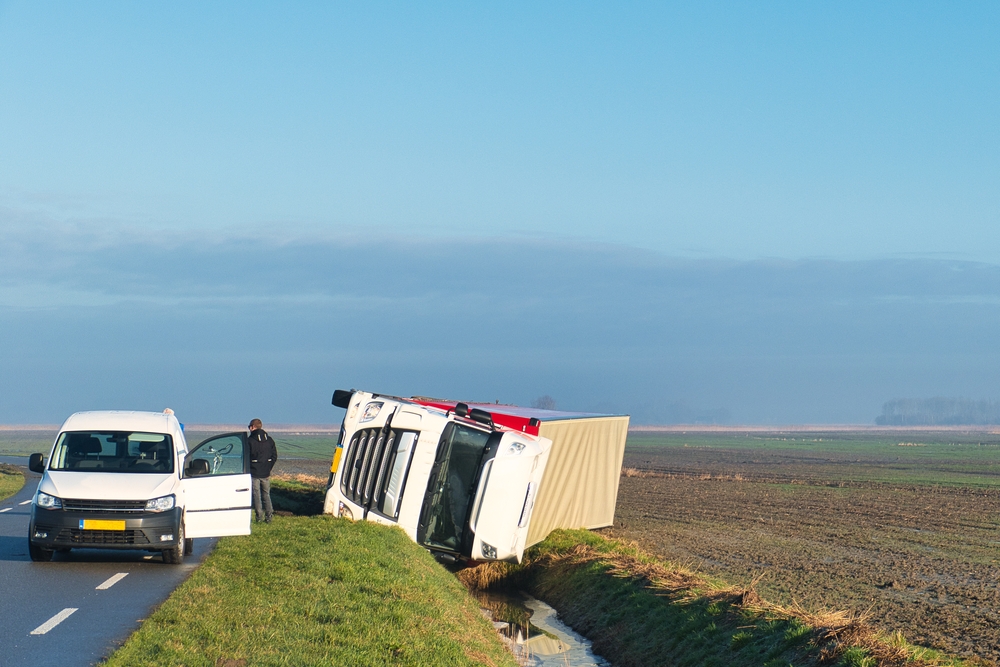
A commercial vehicle crash is rarely limited to one driver’s mistake. When a delivery van, company truck, rideshare vehicle, or fleet car causes serious injury, the claim may involve corporate control, unsafe hiring, poor maintenance, dispatch pressure, and multiple insurance policies.
Tennessee injury cases also face comparative fault arguments, meaning insurers may try to shift blame onto the injured person to reduce or defeat compensation. That is why these claims require immediate investigation into both the crash and the company behind the vehicle. The sections below show how liability, company negligence, fault defenses, and insurance coverage can shape financial recovery.
Corporate Control Behind the Commercial Vehicle Crash
A business may be liable when the driver was acting for the company’s benefit, even if the crash involved a personal vehicle, leased vehicle, contractor vehicle, or branded fleet unit. The issue is who assigned the work, controlled the route, paid for the trip, approved the driver, maintained the vehicle, or profited from the delivery, service call, jobsite transfer, or customer visit.
A premier personal injury auto accident attorney should demand the documents that show the real operating relationship. Companies often use narrow phrases like “independent contractor,” “off duty,” “not our vehicle,” or “personal errand.” Those labels must be tested against the facts.
Key control evidence may include:
- Vehicle title, lease, and registration records
- Driver schedules, timesheets, and payroll records
- Dispatch notes, route sheets, and delivery deadlines
- GPS data, telematics, dashcam footage, and app records
- Fuel cards, reimbursement records, and toll records
- Uniforms, branding, customer instructions, and work orders
- Contracts between carriers, brokers, vendors, and fleet owners
The company may be responsible because the crash served a business purpose.
Company Negligence in Hiring, Training, Supervision, and Maintenance
Strong commercial vehicle claims ask whether the company created the danger before the collision. A company may be directly liable for negligent hiring, negligent retention, negligent entrustment, poor training, weak supervision, unsafe scheduling, ignored complaints, or defective maintenance.
A personal injury compensation lawyer should examine whether the company failed to:
- Check the driver’s motor vehicle record
- Confirm a valid license or commercial qualification
- Investigate prior crashes, citations, suspensions, or safety complaints
- Train the driver on blind spots, backing, loading, braking, and safe following distance
- Enforce rest periods, phone rules, speed rules, and fatigue policies
- Remove an unsafe driver from service
- Inspect tires, brakes, lights, mirrors, steering, and safety equipment
- Repair known defects before returning the vehicle to service
Hours-of-service rules limit driving and on-duty time so drivers stay awake and alert, and property-carrying drivers are generally limited to 11 hours of driving after 10 consecutive hours off duty within a 14-hour window. Deadlines, fatigue, false logs, or dispatch pressure can turn a basic crash claim into a corporate negligence case.
A personal injury law firm in Nashville will preserve this evidence immediately. Delay gives defendants room to argue that records were overwritten, unavailable, routine, or unrelated.
Comparative Fault Defenses Under Tennessee Law
Tennessee follows a modified comparative fault under McIntyre v. Balentine, meaning a plaintiff may recover only when the plaintiff’s fault does not equal or exceed the defendant’s fault. If the injured person is assigned 50 percent fault, recovery can be barred.
The insurer may claim the injured driver was speeding, distracted, following too closely, braking suddenly, driving in a blind spot, changing lanes improperly, or failing to avoid impact. A Tennessee personal injury lawyer should answer those claims with evidence, not argument.
Fault evidence may include:
- Crash-scene photographs and measurements
- Police diagrams and body-camera footage
- Witness statements and 911 records
- Vehicle damage patterns
- Event data recorder information
- Dashcam, surveillance, GPS, and telematics data
- Phone records and app activity
- Medical records showing injury timing and severity
The defense may argue that the injury was preexisting, exaggerated, or unrelated. A personal injury claim should connect the crash to treatment through emergency records, diagnostic imaging, physician notes, surgery records, work restrictions, impairment ratings, and future-care opinions.
Insurance Layers Behind Fleet and Commercial Vehicle Claims
Tennessee’s minimum required liability coverage is $25,000 for one injury or death, $50,000 for total injuries or deaths per accident, and $25,000 for property damage. Those numbers are often far below the cost of surgery, rehabilitation, lost income, permanent impairment, or wrongful death damages.
Commercial vehicle cases may involve:
- The driver’s personal policy
- The employer’s commercial auto policy
- A scheduled fleet policy
- Hired and non-owned auto coverage
- Motor carrier coverage
- Trailer or equipment coverage
- Leasing-company coverage
- Contractor or vendor coverage
- Excess or umbrella coverage
- Uninsured or underinsured motorist coverage
A personal injury lawyer in Nashville should not rely on an adjuster’s statement about limits. Counsel should obtain the policy, declarations, endorsements, exclusions, certificates, lease agreements, indemnity contracts, and motor carrier filings. Others deny coverage by arguing the driver was outside the business purpose, using the wrong vehicle, working through a contractor, or operating outside a covered platform period.
Settlement value should not be calculated until every defendant and policy is identified. A fast release can destroy claims against parties and policies that were not named in the first offer, especially when medical bills, wage loss, and future care exceed the first available limit.
Premier TN Personal Injury Lawyer Can Help with Full Corporate Accountability
A commercial vehicle crash requires proof of business control, company negligence, Tennessee fault defenses, medical loss, and insurance coverage. Palmer Law handles personal injury matters across Franklin and Middle Tennessee, and the firm prepares cases for settlement discussions or court when needed. For help from a top-rated Nashville, TN personal injury lawyer, call Palmer Law at (615) 434-6270 or contact us today for a case review before corporate evidence and coverage options are lost.